Costs and pricing
Part of London bus advertising: formats and booking
London bus advertising: formats and booking
A practical guide to London bus advertising formats, the factors that shape a quote, what to ask the media owner and the booking steps for buyers.
What to take away
- London bus advertising is bought through Global, the contracted media partner for the TfL bus and shelter estate, not directly from Transport for London.
- Bus sides, bus rears, bus supersides and bus shelter 6-sheets are separate products with different pricing logic.
- Media cost scales with vehicle or panel count, booking length and how tightly you select routes.
- Production and installation sit on top of the media line and belong in the same budget approval.
- Four weeks is the normal planning unit; shorter bursts are possible but the weekly rate rises.
How London bus advertising is sold
Transport for London owns the bus network but does not sell the space on it. London bus advertising is contracted to Global, the media owner that holds the TfL bus and shelter advertising contract, and Global (or an agency buying through it) issues the rate card you are quoted from. Transport for London is the public body that awards and manages that contract.
You cannot negotiate route selection with TfL itself. The deal is shaped with Global, and the terms depend on how much of the estate you are prepared to take.
The three TfL formats and their buying logic
Each format sells on different logic, so compare them on what the buyer controls rather than panel size. Bus advertising covers the range, from full vehicle wraps to interior cards.
TfL bus formats compared
Bus side
- Where
- Vehicle flank
- Buying unit
- 25-100 vehicles
- Price driver
- Vehicle count, route spread
- Reach logic
- Widest, travels
Bus rear
- Where
- Vehicle back
- Buying unit
- Number of vehicles
- Price driver
- Vehicle count, congestion
- Reach logic
- Queuing traffic
Bus shelter 6-sheet
- Where
- Fixed named stop
- Buying unit
- Single panel or bundle
- Price driver
- Footfall, borough, bundle
- Reach logic
- Fixed position
| Format | Where it appears | Buying unit | Main price driver |
|---|---|---|---|
| Bus side panel | Flank of a single or double-decker | Number of vehicles, commonly 25 to 100 | Vehicle count, route spread, period |
| Bus rear panel | Back of the vehicle, seen in queuing traffic | Number of vehicles | Vehicle count, corridor congestion |
| Bus superside | Large-format vinyl across the side | A small number of vehicles | Scarcity and creative size |
| Bus shelter 6-sheet | Fixed panel at a named stop | A single panel or a bundle of stops | Footfall at the stop, borough, bundle size |
| Interior cards | Inside the saloon | Route or fleet packages | Fleet coverage and period |
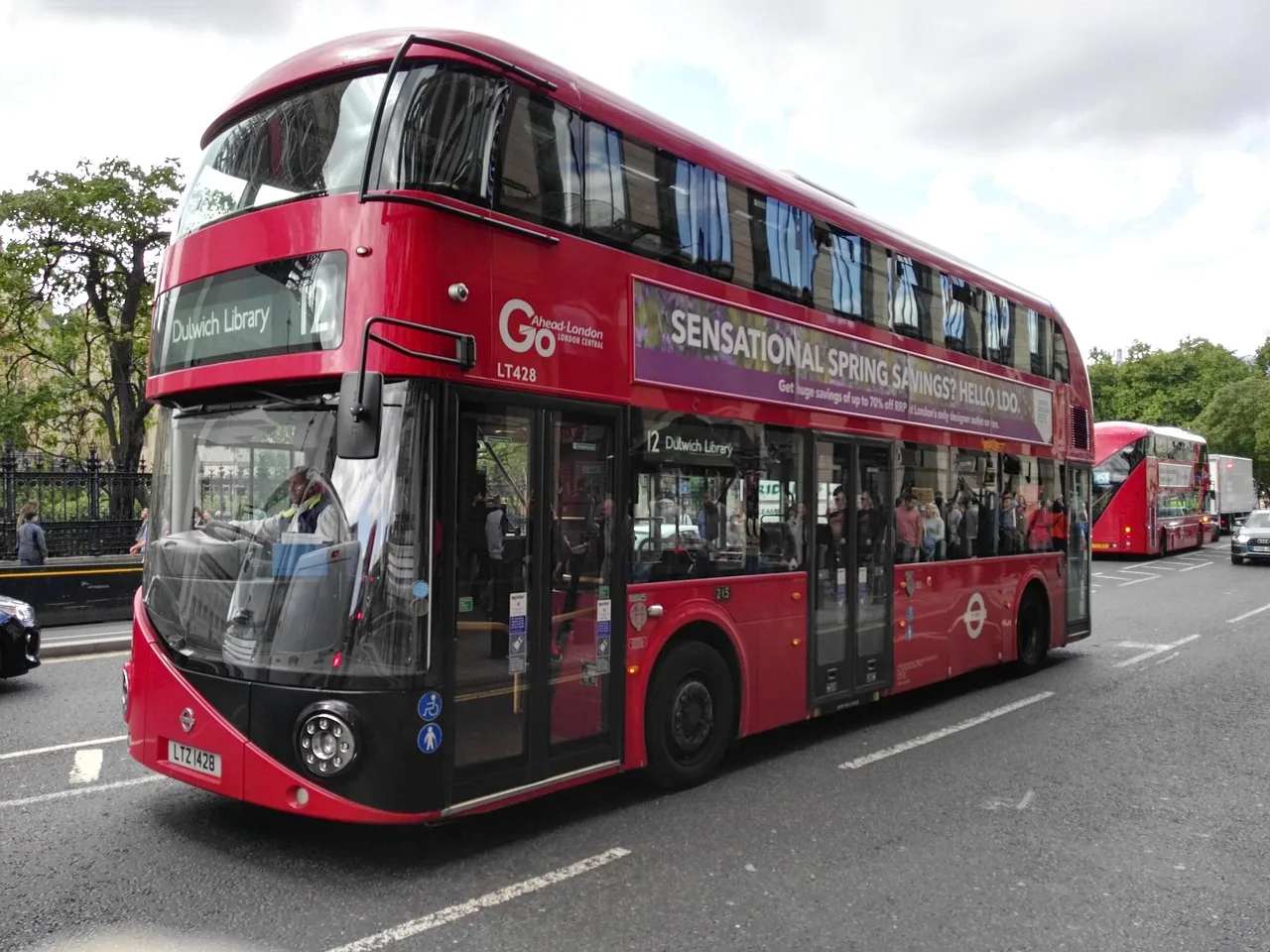
Bus sides deliver the widest reach because the vehicle travels. You are buying buses for a period, not a location, so route selection matters more than any single panel. For a side-by-side view of moving inventory against fixed roadside sites, billboard versus bus advertising compares who each format reaches and what creative each one demands.
Bus shelter 6-sheets work the other way. You buy a fixed position at a named stop, so value depends on who walks past it. Single-panel bookings are possible, which is why smaller advertisers often start here.
Bus supersides extend the standard side panel across a larger portion of the vehicle flank, giving a bigger canvas at a premium to a standard side. They suit campaigns that need more creative space without moving to a full wrap, and Global sells them as a distinct format with its own rate line.
What shapes a TfL advertising quote
Four levers do most of the work: volume, period, route or borough selection, and season.
Four rate levers
- Volume100 buses cheaper per bus than 25
- Route selectionrun-of-network cheaper than named corridors
- SeasonChristmas, January sales, autumn term tighten supply
- Early booking protects price and availability
Volume is the simplest. A 100-bus booking costs less per bus than a 25-bus booking, because scheduling and verification costs are spread across more inventory.
Route selection is the second lever. Run-of-network stock is cheaper than named corridors, where demand from retail and finance advertisers concentrates.
Season matters more in London than in most markets. Christmas, the January sales and the autumn term all tighten supply in the centre, so early booking protects both price and availability.
How a quote is built
Treat the figures below as illustrative planning numbers, not published rates.
Illustrative two-week quote
- £22,40040 vehicles, two weeks media
- £1,80040 vinyl sets at £45
- £1,000Installation at £25 per vehicle
- £25,200Total before outside fees
A two-week bus side campaign on 40 vehicles at an illustrative £280 per vehicle per week gives £22,400 of media. Forty vinyl sets at an illustrative £45 each add £1,800, and installation at an illustrative £25 per vehicle adds £1,000. Budget £25,200 before any fee charged outside the media rate.
How to book London bus advertising
- Set the objective. Reach for a launch points to bus sides; local awareness around one site points to shelter 6-sheets.
- Contact Global's outdoor advertising sales team, or brief your media agency to request availability by borough and format for your dates.
- Fix the period early. Four weeks is the standard unit and attracts the best weekly rate.
- Check production before you commit. Vinyl, installation and removal are separate lines.
- Confirm clearance. Outdoor copy must meet the UK advertising codes, which the ASA administers with CAP.
Bus, Tube and roadside in one plan
London transport media is not only buses. Tube advertising costs more per panel because the environment is controlled and footfall is dense, but a small Tube presence can beat a large bus buy for a commuter message.
Size the audience before you size the budget. Route audience measurement explains how the industry currency reports bus and roadside panels in one framework, which is what makes cross-format comparison meaningful.
Common questions
What does a bus side campaign on the TfL network cost?
Global, the contracted media owner, does not publish a tariff online. Ask their outdoor sales team for a quote against your dates, boroughs and vehicle count. The worked example above shows how the media, production and installation lines add up.
Are bus shelter 6-sheets cheaper than bus sides?
Usually yes, per panel. You are buying one fixed position rather than a moving vehicle, and single-site bookings are available without a minimum fleet purchase.
How far ahead should I book?
Four to six weeks is a sensible lead time for run-of-network stock. Central London sites around Christmas and the January sales need longer, because demand from retail advertisers is heaviest then.