Strategy
Part of UK out of home advertising: reach or frequency?
UK out of home advertising: reach or frequency?
Out of home advertising in the UK: how roadside billboards, bus exteriors and shelters differ in format, reach, frequency, planning consent and measurement.
Out of home advertising in the UK usually comes down to a straight choice for most advertisers: a fixed roadside billboard or a moving bus. Both are bought and measured differently, and the right answer depends on what the campaign has to do.
What to take away
- Billboards win on reach and presence, particularly large-format roadside sites seen at scale.
- Bus advertising wins on frequency and proximity, because the vehicle passes the same streets all day.
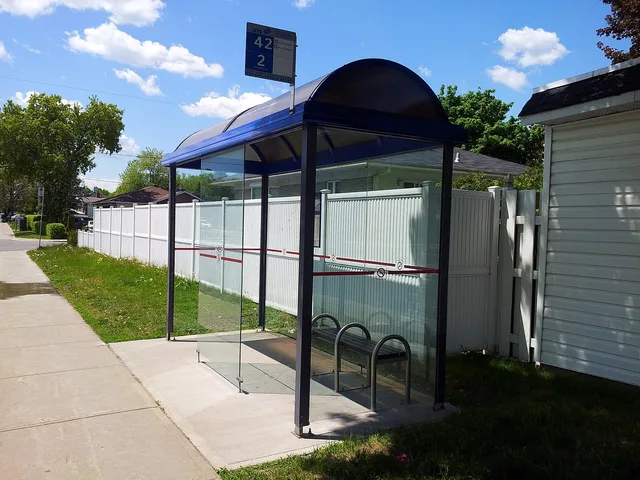
- Bus shelters sit between the two, with dwell time a roadside 48-sheet never gets.
- The format should follow the objective, the creative and how you plan to measure the result.
How the two formats differ in the UK
Roadside billboards are fixed sites: 48-sheet and 96-sheet paper, six-sheet posters, or digital 48-sheet screens. A driver or passenger passes once at speed, so the message has to land in a couple of seconds.
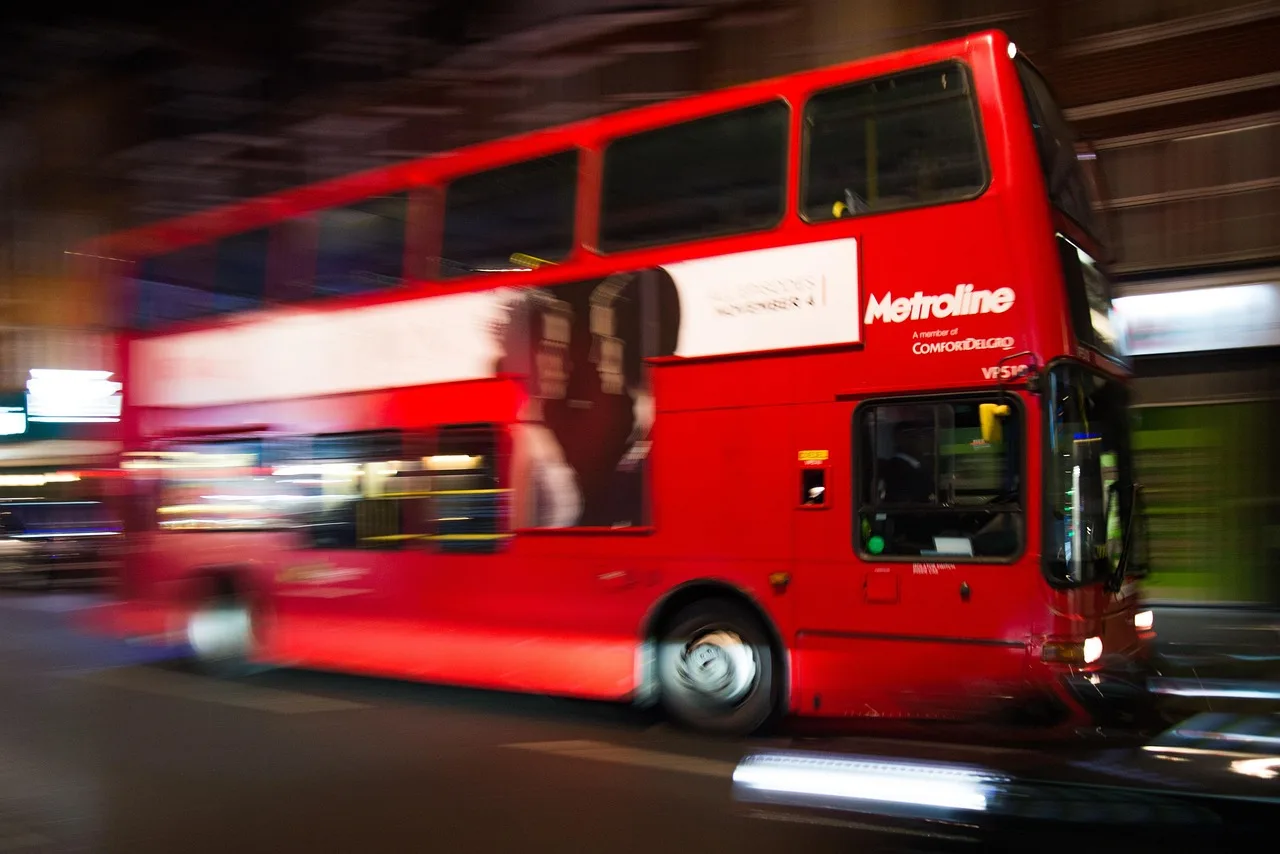
Bus advertising moves. Exteriors carry T-sides, supersides, rears and full wraps, with interior cards inside the vehicle. The same bus crosses the same junctions repeatedly through the day, which lifts the chance of a second look.
Bus shelters are a separate contract from the bus itself. Media owners sell them as single sites or as packaged runs along a route, and buyers who assume one bus booking covers the shelters often find a gap in coverage.
UK roadside and shelter inventory is concentrated among a handful of media owners, among them Global, JCDecaux UK, Clear Channel UK and Ocean Outdoor, so the same sales houses price many of the sites you will be offered.
The practical difference is repetition against scale. A billboard is one strong impression on a busy corridor. A bus or shelter buy is the same message met several times in a day by the same person.
A format comparison for UK buyers
The table sets out where the two formats diverge for a UK plan.
Billboard vs bus formats
Roadside billboard
- Typical formats
- 48-sheet, 96-sheet, six-sheet, digital
- Movement
- Fixed site, one pass
- Dwell time
- Seconds, no second look
- Contract length
- Often two or four weeks
- Best for
- Reach, launches, brand presence
- Measurement
- Route estimates for site
Bus and bus shelter
- Typical formats
- T-side, superside, rear, interior, shelter
- Movement
- Travels route, repeats daily
- Dwell time
- Longer at shelters, repeated passes
- Contract length
- Often four weeks
- Best for
- Frequency, local targeting, promotions
- Measurement
- Route estimates for route
Roadside billboard
- Typical formats
- 48-sheet and 96-sheet paper, six-sheet posters, digital 48-sheet screens
- Movement
- Fixed site, one pass per journey
- Dwell time
- Seconds, with no second look
- Contract length
- Often two or four weeks
- Best for
- Reach, launches, brand presence
- Measurement
- Route estimates for the site and its postcode
Bus and bus shelter
- Typical formats
- T-side, superside, rear panel, interior card, shelter 6-sheet or digital screen
- Movement
- Travels the route, repeats through the day
- Dwell time
- Longer at shelters, repeated passes on street
- Contract length
- Often four weeks, set by production and fitting
- Best for
- Frequency, local targeting, promotions
- Measurement
- Route estimates for the route and its audience
Planning consent and copy rules
Most permanent roadside poster structures need advertisement consent from the local planning authority, and the Town and Country Planning Act 1990 provides the statutory framework behind those controls. Vehicle liveries and many shelter panels are handled through the inventory contract instead.
In England, the detail sits in the Town and Country Planning (Control of Advertisements) (England) Regulations 2007. They set out which posters have deemed consent and when an application for express consent has to be made to the local planning authority.
Advertisement control is devolved, so the detailed regulations differ in Scotland, Wales and Northern Ireland.
Copy rules apply to both. The advertising codes enforced by the Advertising Standards Authority cover posters, bus panels and digital screens, so every frame needs clearance before it goes live.
What drives the price of each format
Roadside posters are typically sold in two-week or four-week runs. Bus exterior campaigns usually need four weeks, because vinyl production and fitting take time. London bus advertising costs also vary by route, by whether you take T-sides, supersides or a full wrap, and by season.
Headline rates mislead. Pricing moves with footfall, availability and how tightly you define the route, so compare cost per thousand contacts and ask for audience estimates before you commit.
Ask what the rate includes. Production, fitting, illumination and copy deadlines often sit outside the media rate, and they change the comparison between a static site and a moving fleet.
Choosing between them: a short sequence
A short sequence keeps the decision grounded.
- Set the jobreach, launch awareness, local response or footfall.
- Decide whether repeated exposure in a defined area matters more than scale.
- Test the creative at speed. If it needs more than a few seconds, move it to shelters or interior cards.
- Ask for audience estimates for both options and compare cost per thousand contacts.
- Check availability before you commit to a route or a site.
How you measure a bus or billboard campaign
Route is the industry currency for OOH audience measurement in the UK. It reports reach and frequency from travel and location data.
Route audience measurement is modelled differently for mobile inventory, so ask how bus routes are treated before you set targets against a static site.
Transport for London controls the capital's bus network and much of the shelter estate attached to it. That gives London buyers a different inventory shape from a regional operator, and it is why TfL contracts are worth reading before a national plan.
Common questions
Is bus advertising cheaper than billboards?
Not consistently. A single roadside poster can cost less than a full bus wrap, while a small shelter package can undercut both. Compare cost per thousand contacts, because the rate card alone tells you little.
Which format delivers better frequency?
Bus advertising usually delivers better frequency. The vehicle repeats the same routes daily, and shelters sit where people pass on foot repeatedly. Roadside billboards tend to trade frequency for scale.
Can one creative run on both formats?
Yes, but not without edits. A 48-sheet can carry several lines of copy, while a T-side or interior card cannot. Build the simplest version first and give it room to breathe.
Which format suits a small local business?
Bus and shelter inventory usually works better, because it can be bought for tighter areas and shorter runs. A single roadside site can still work if the catchment is genuinely local.